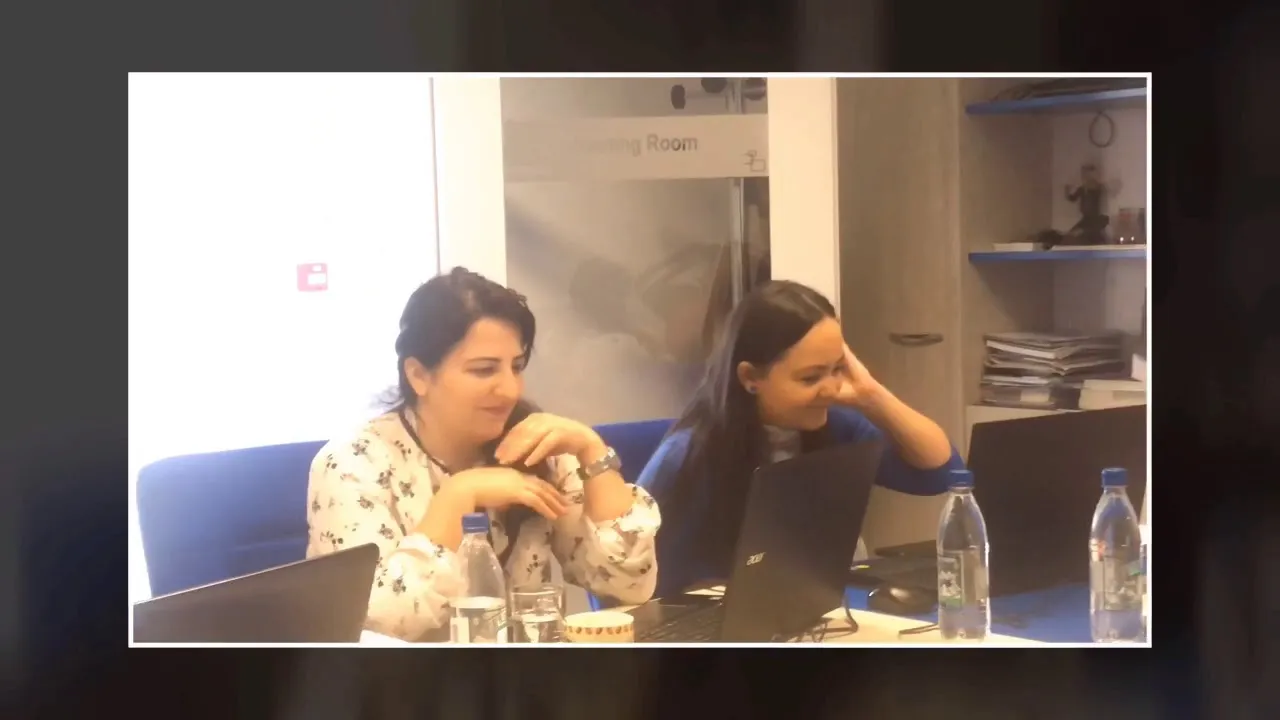
A case study on turning B2B communication into a system that connects people, processes, technology and the customer experience.
From fragmented technical communication to an integrated system of marketing, sales and service.
In an industrial company, digital transformation does not mean only implementing a CRM, automating marketing or introducing new sales tools.
Before technology comes a fundamental problem: how well the organization communicates, both internally, between departments, and externally, with partners and customers.
In the case of BIBUS SES, the project began by diagnosing how information circulated, how the value of technical solutions was conveyed and how consistent the customer experience was in dealing with the sales, marketing and service teams.
The goal was not only to digitize the existing communication, but to build a more efficient way of communicating.
The new B2B communication strategy was built on real customer interactions, commercial diagnostics and feedback collected from employees in direct contact with the market.
Four directions were followed:
The strategy was not built on branding principles alone. It came out of how the company actually worked, from the challenges its people faced and from the particulars of the industrial sales process.
In technical industries, precision, reliability and performance are prerequisites. Yet commercial decisions are not made on product characteristics alone.
Decision makers must understand the value of a solution, trust the supplier and be able to defend their choice in front of the other participants in the purchasing process.
For BIBUS SES, the communication strategy pursued:
The essential shift: from presenting products to coherently explaining their value to the customer.
The communication had to be rigorous enough for an engineer and clear enough for a procurement director or a financial manager.
Revenue Operations aims to coordinate marketing, sales and services in order to generate more predictable commercial growth.
But data does not produce coordination automatically. A CRM can centralize information without the people who use it sharing the same understanding of the customer, the commercial opportunity or the value offered.
The B2B strategy introduced a common communication framework, based on:
Communication was thus no longer treated only as a marketing activity. It became a coordination mechanism between functions.
Data provides visibility. Communication creates shared understanding. Together, they can support better commercial decisions.
The transformation included introducing SaaS systems to support commercial and operational activities.
The methodology reversed the usual order of digitalization, however: the tools did not dictate the organization, but processes and communication laid the foundation for the technology selection.
After analyzing the customer journey and clarifying the internal collaboration model, tools such as CRM, CPQ (Configure, Price, Quote) and marketing automation were addressed.
Strategic communication supported:
This approach aimed to reduce resistance to change, increase tool adoption and preserve continuity of the customer experience.
The software became a tool for executing the strategy, not a substitute for it.
One of the most difficult challenges in B2B communication is building a credible emotional connection around technical products and services.
In the automotive industry, purchasing and maintenance look at the same solution from different perspectives.
For purchasing, what matters is the justification of the investment, cost and predictability. For maintenance, what matters is reliability, precision, availability and operational continuity.
The project started by defining buyer personas through SWOT analysis and identifying the shared attributes: precision, reliability and endurance.
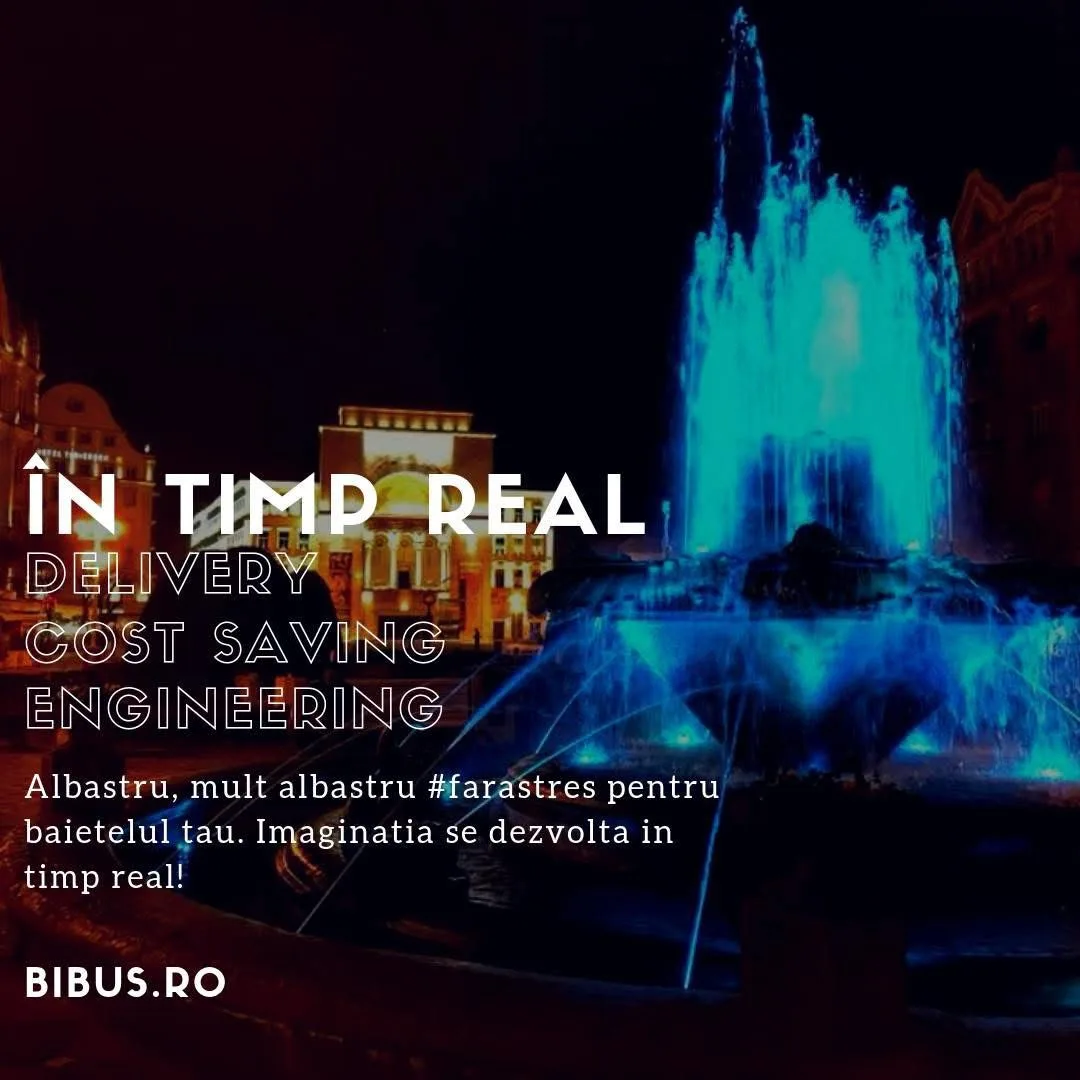
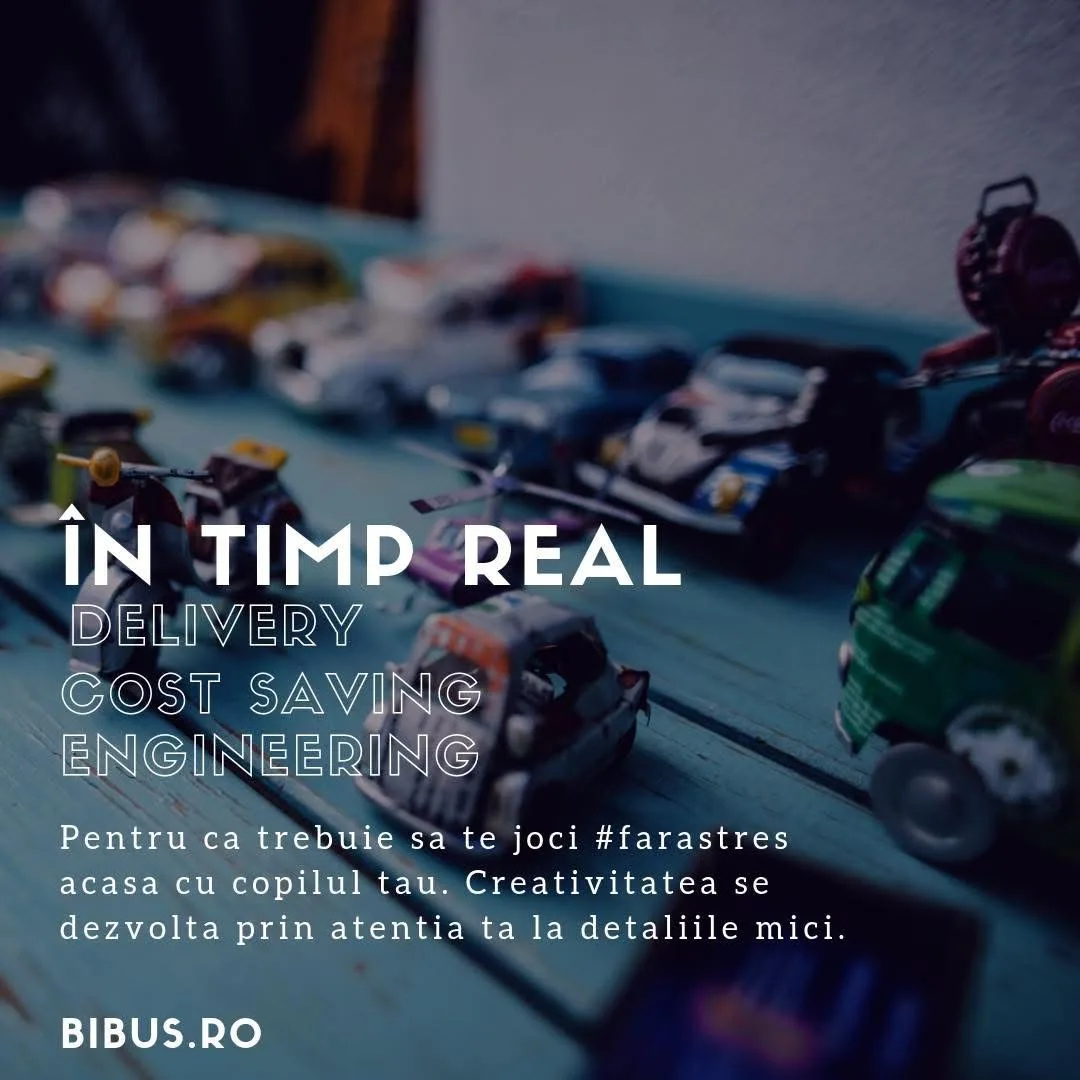
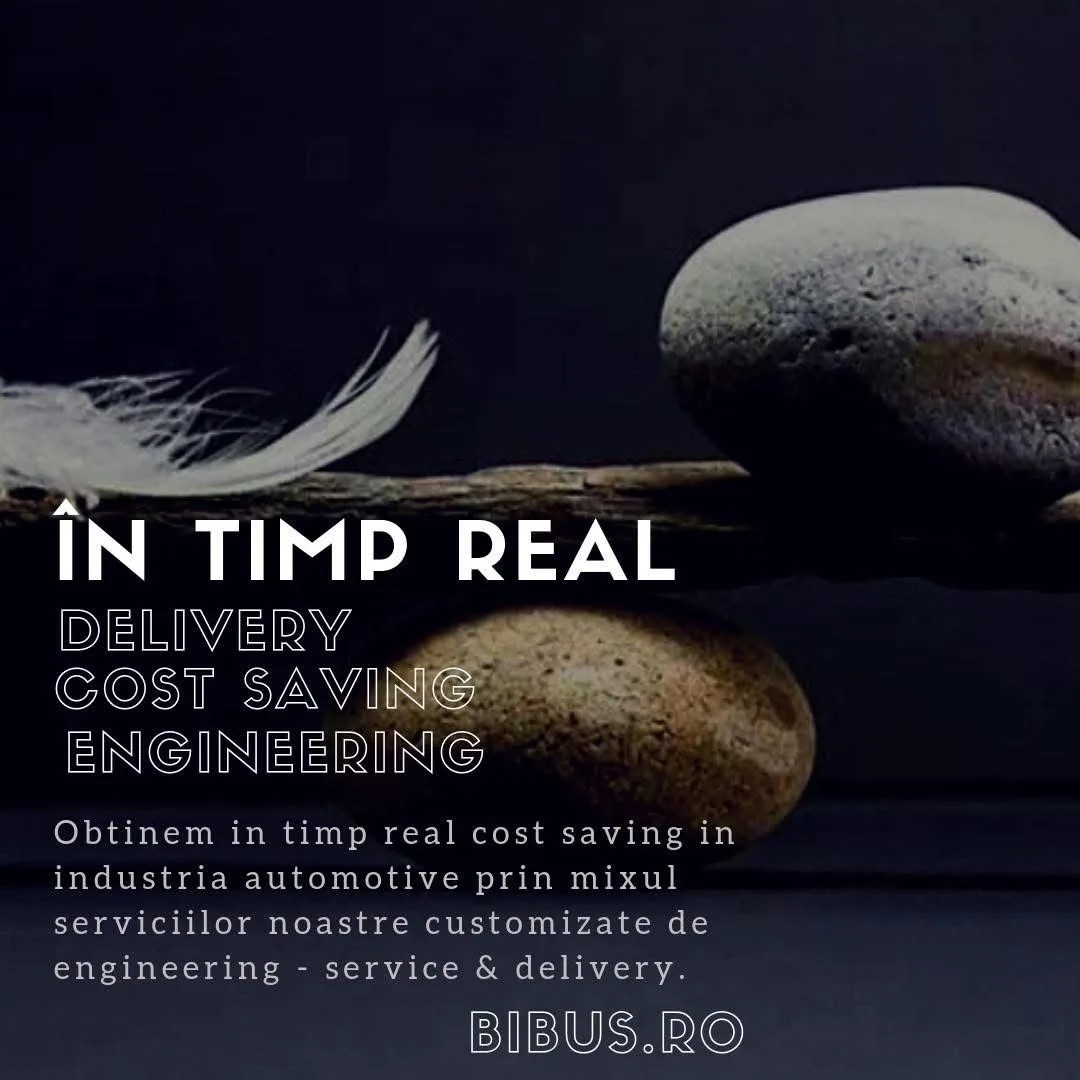
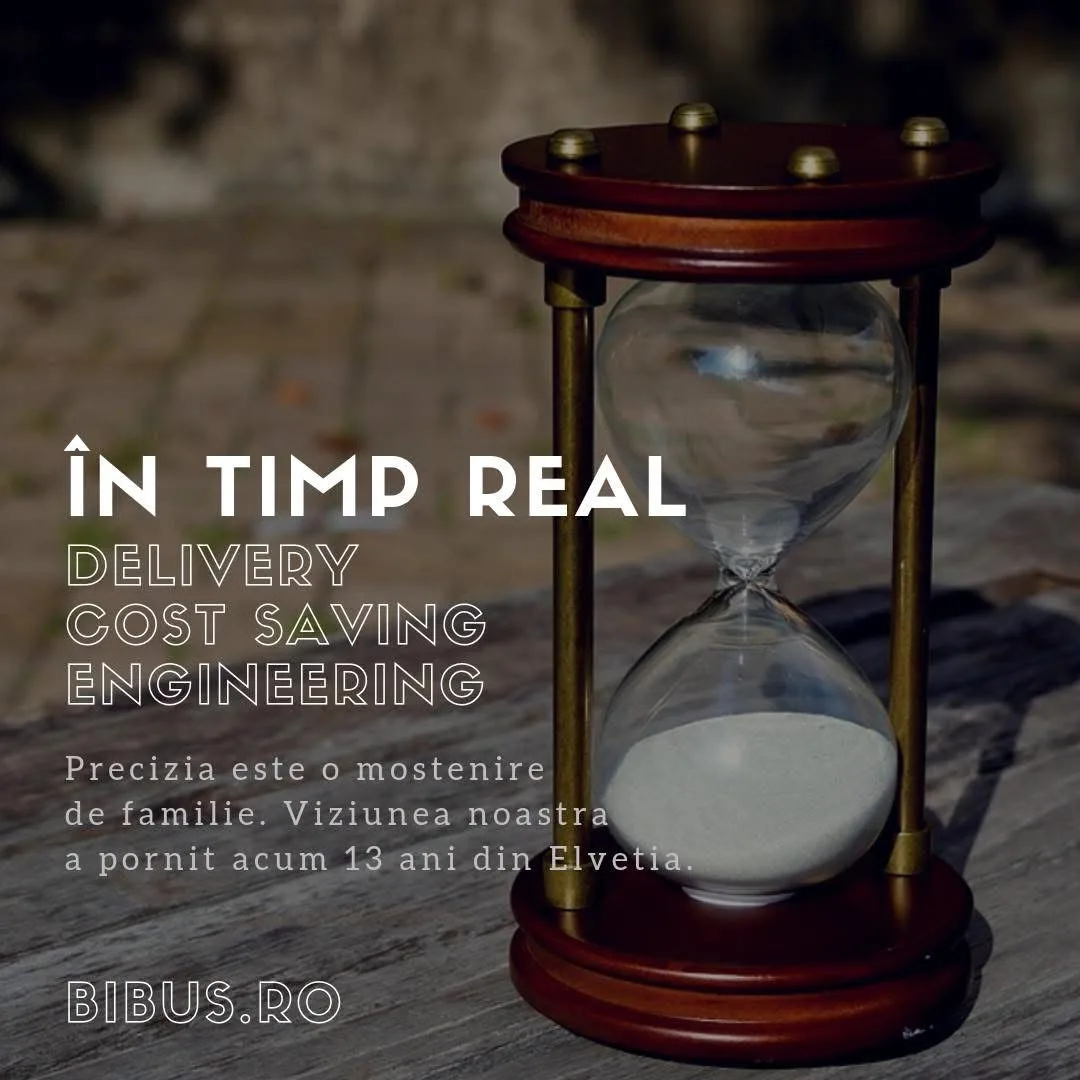
On this basis, a unifying communication concept was built around the value delivered in real time, followed by the optimization of the key moments in the relationship with the market: company events, partner meetings and digital campaigns.
The direction was integrated into an annual digital marketing plan, with launch campaigns and messages adapted to the target audiences.
The strategic result was communication precise enough to inspire technical credibility and human enough to be memorable.




One of the most important moments of the project was rethinking the Company Day concept for BIBUS SES.
An industrial event can remain a succession of presentations, products and professional conversations. But the people who build business relationships also have identities beyond the roles they hold.
By integrating partners, families and children into the event's concept, the communication shifted from a strictly corporate register to a human one, without losing professional identity.
The language, the visual structure and the images began to express not only what the company does, but also the people and the relationships that define its culture.
An industrial brand does not become less technical when it communicates in a human way. It becomes easier to understand, recognize and remember.
“I collaborated with Daniel Roșca on the concept for clarifying the B2B communication strategy, both internally and externally. He quickly understood the technical environment and helped me build a coherent, people-centered message, without oversimplifying the value we offer.
What truly stood out was the ability to align marketing, sales and service around a clear narrative. The collaboration had a real impact on how I communicate between departments and with customers.
I recommend this approach to any B2B company in the automotive industry facing complex communication challenges.”
Diana Dragomir, Sales Manager, BIBUS
Translated from the Romanian version.
The BIBUS SES project shows that digital transformation does not necessarily begin with buying software and does not end once it is implemented.
The contribution of the communication strategy was to build a link between processes, technology and people.
At the project level, the work produced a common communication framework, commercial arguments adapted to decision makers, directions for adopting digital tools and a more human expression of the corporate identity.
The testimonial confirms the impact on interdepartmental communication and on customer relationships.
The strategic lesson: you can digitize a company's tools without transforming how it works. But when people, messages and processes are aligned, technology can amplify an organization that already knows what it wants to communicate and why.
We did not build only messages, and we did not pursue only the adoption of digital tools. We helped define a coherent B2B voice, able to connect engineering, sales and human relationships.
BIBUS SES: When communication becomes business infrastructure.
From outsourcing and technical competence to strategic positioning, intellectual property and commercial infrastructure. Discover how the challenges identified over a decade ago, including in the collaboration with ARIES (the Romanian Association for the Electronics and Software Industry), anticipated the need to integrate B2B communication, sales, RevOps and digital transformation.
Read the strategic analysis: From IT outsourcing to added value (in Romanian)In a short diagnostic we show you what your brand says in the market today and where the right starting point is.
Request a diagnostic