Infosan holds real medical authority. The problem is that this authority stays diffuse exactly where the pediatric communication turns generic. That is where KlariKid was born.
The clinical infrastructure is there. The expertise is there. The trust is there. When the clinic communicates every message about children directly, the messages stay accurate but turn generic: eye exams, consultations, myopia, appointments.
The parent sees the ad, maybe clicks, maybe books an appointment. But almost nothing sticks over time. The ad delivers an immediate result without building brand or category memory.
This is a brand-architecture problem, and the look of the ad has nothing to do with it.
These are running right now in Infosan's Meta account. They are clean and well made. They communicate directly, under the parent brand, each message on its own. They bring in appointments, but every ad starts from zero in the parent's mind, without leaving a trace that adds up.
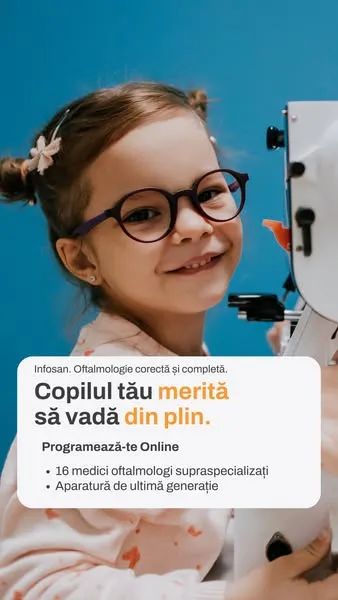

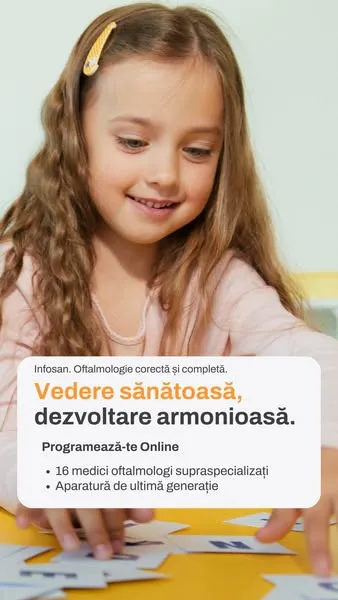
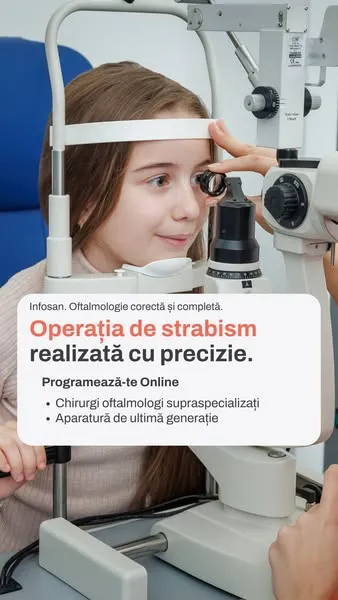
Source: Meta Ad Library, Infosan page. Ads active at the time of this case study.
We took the same messages and set them in a clean format. On the left, the Infosan version, under the parent brand. On the right, the exact same ad, but under the KlariKid product category. The visual quality stays the same. What changes is the system behind it.
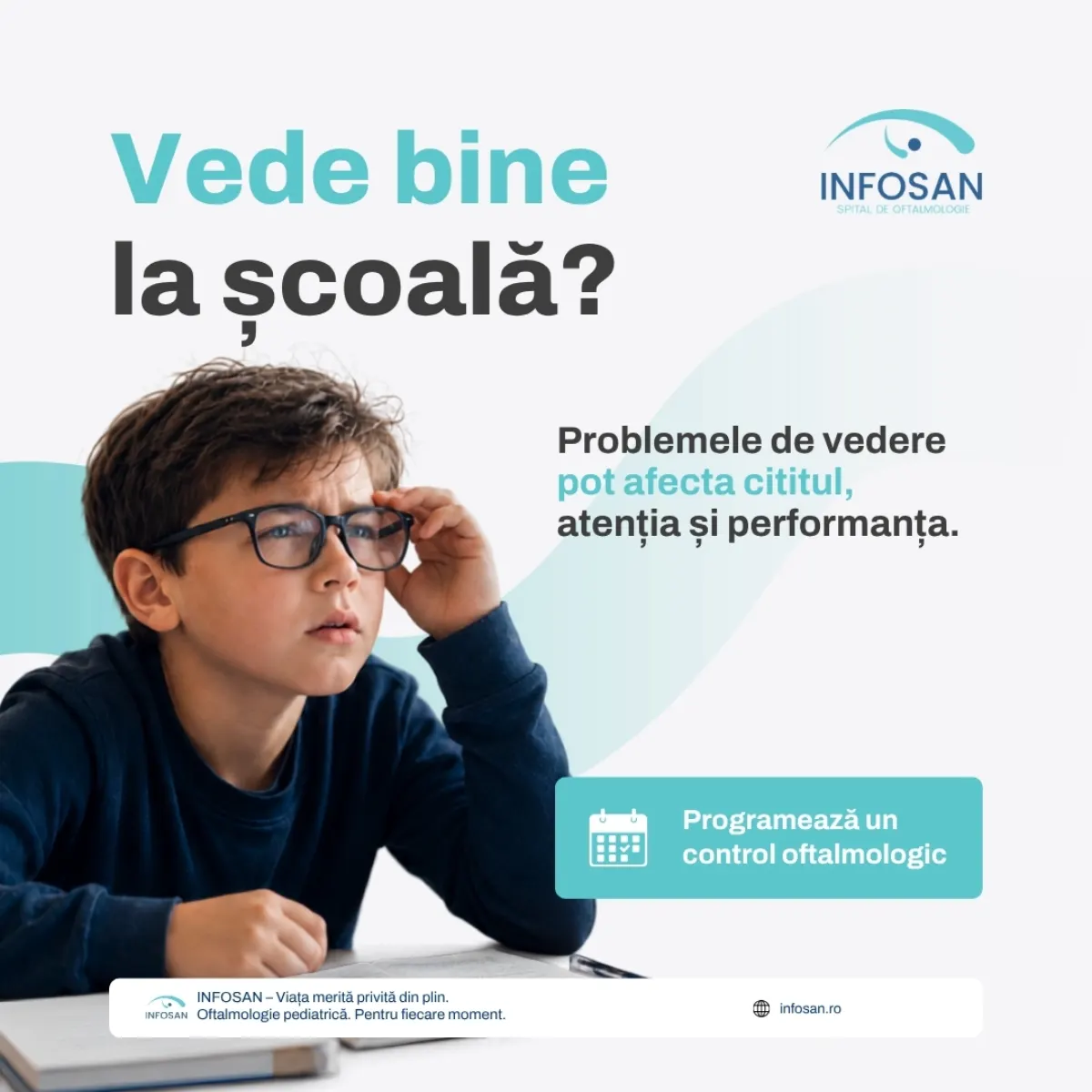
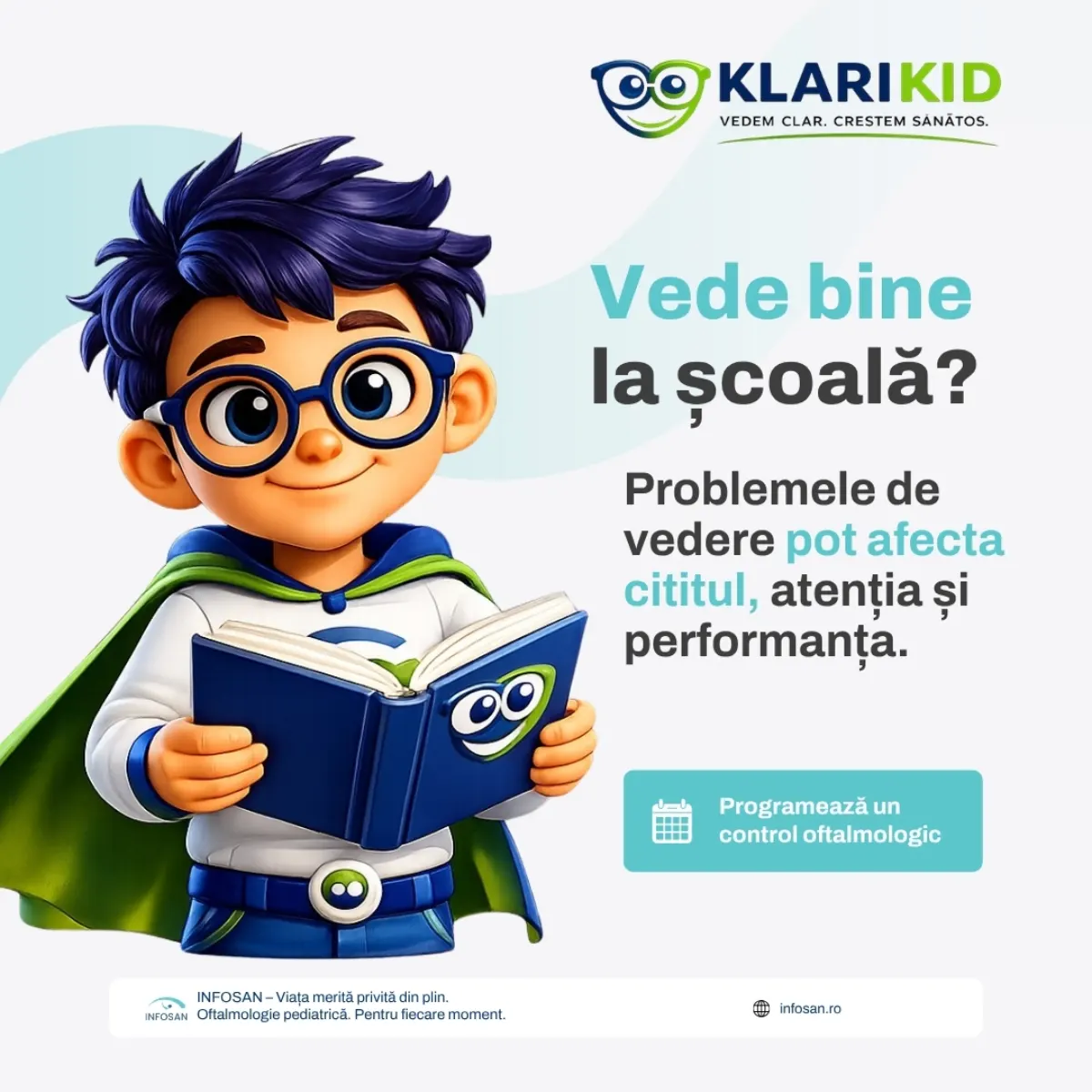
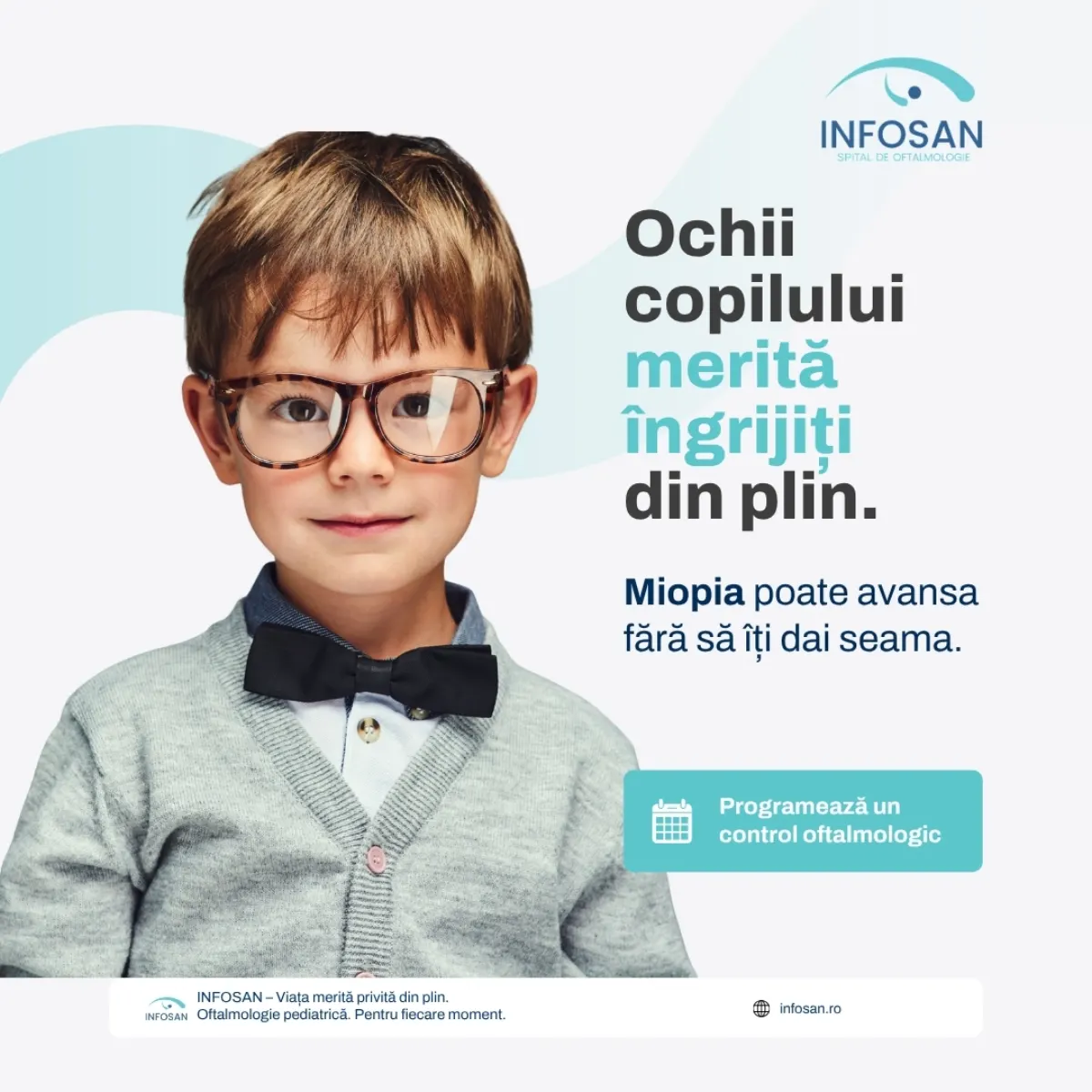
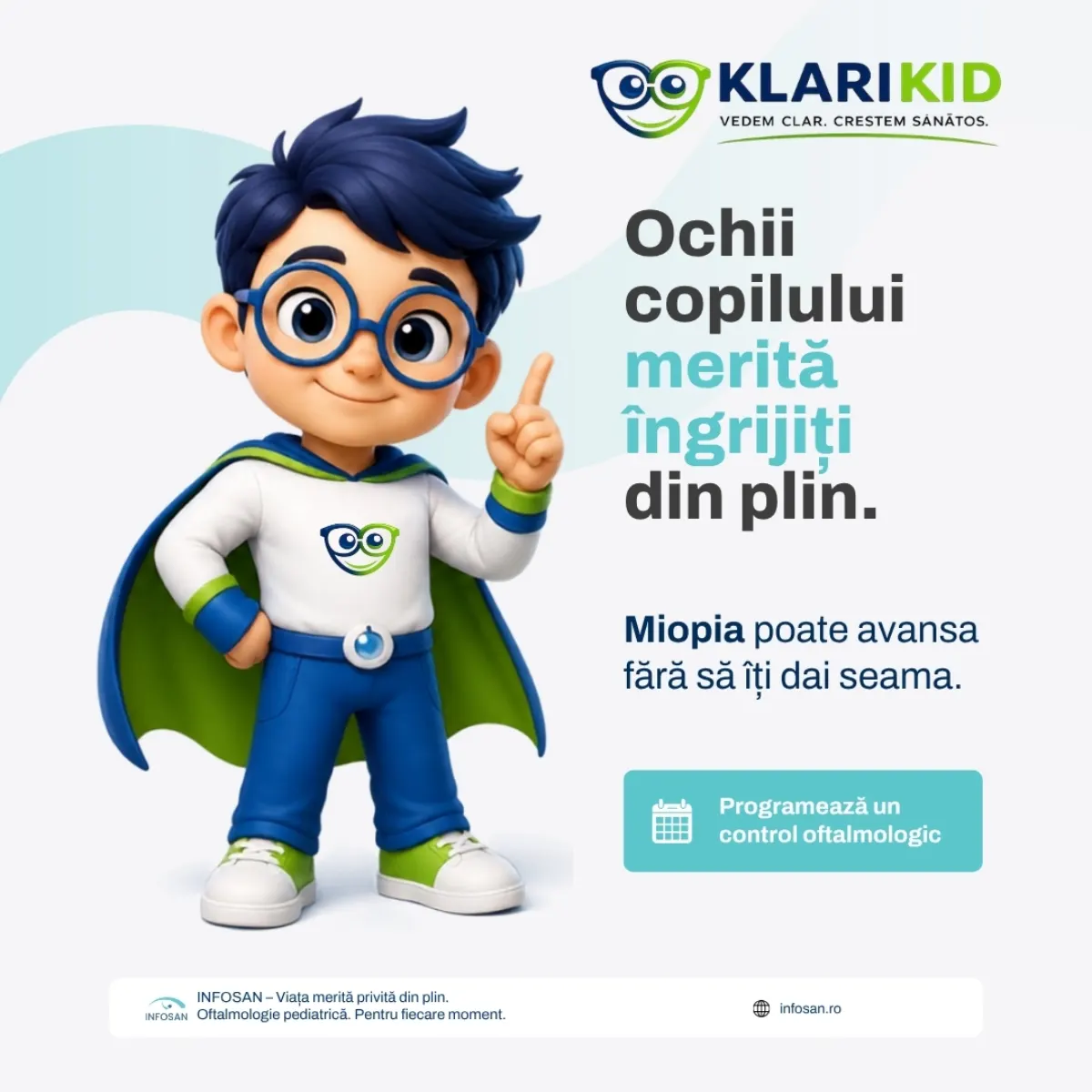
Real ads from Infosan's pediatric communication. Left: the version running now. Right: the same ad, under the KlariKid brand category.
Infosan stays the clinical guarantee: the expertise, the infrastructure, the diagnosis. KlariKid becomes the category through which that authority reaches parents and children more clearly, without undermining its credibility.
The model already exists internationally. Hoya built MiYOSMART on the same logic: the product sells myopia-progression control, the parent brand keeps the technical authority. Essilor has Stellest. CooperVision has MiSight. The product brand owns the category in the consumer's mind, while the parent company stays behind it as the guarantee.
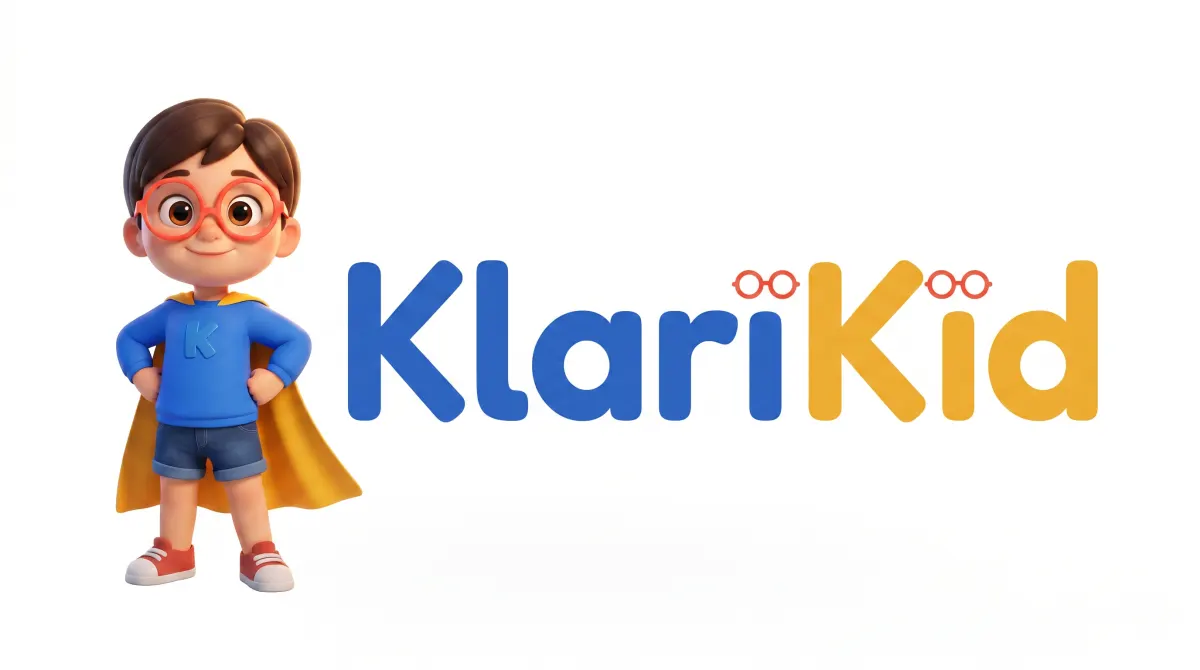
KlariKid goes one step further, through a character. A figure that explains, normalizes, and stays in the child's memory before the parent even reaches the decision to book.
The mascot is a strategic element, not a graphic accessory. A child's eyesight is a serious medical topic, but one with a difficult emotional side. The child may refuse glasses, may reject the exam, may fear that the class will laugh.
KlariKid steps in right here. The parent has an easier conversation. The character explains, normalizes, and turns the diagnosis into a story the child accepts. Resistance drops in the child, hesitation in the parent, and adherence to the medical recommendation rises.
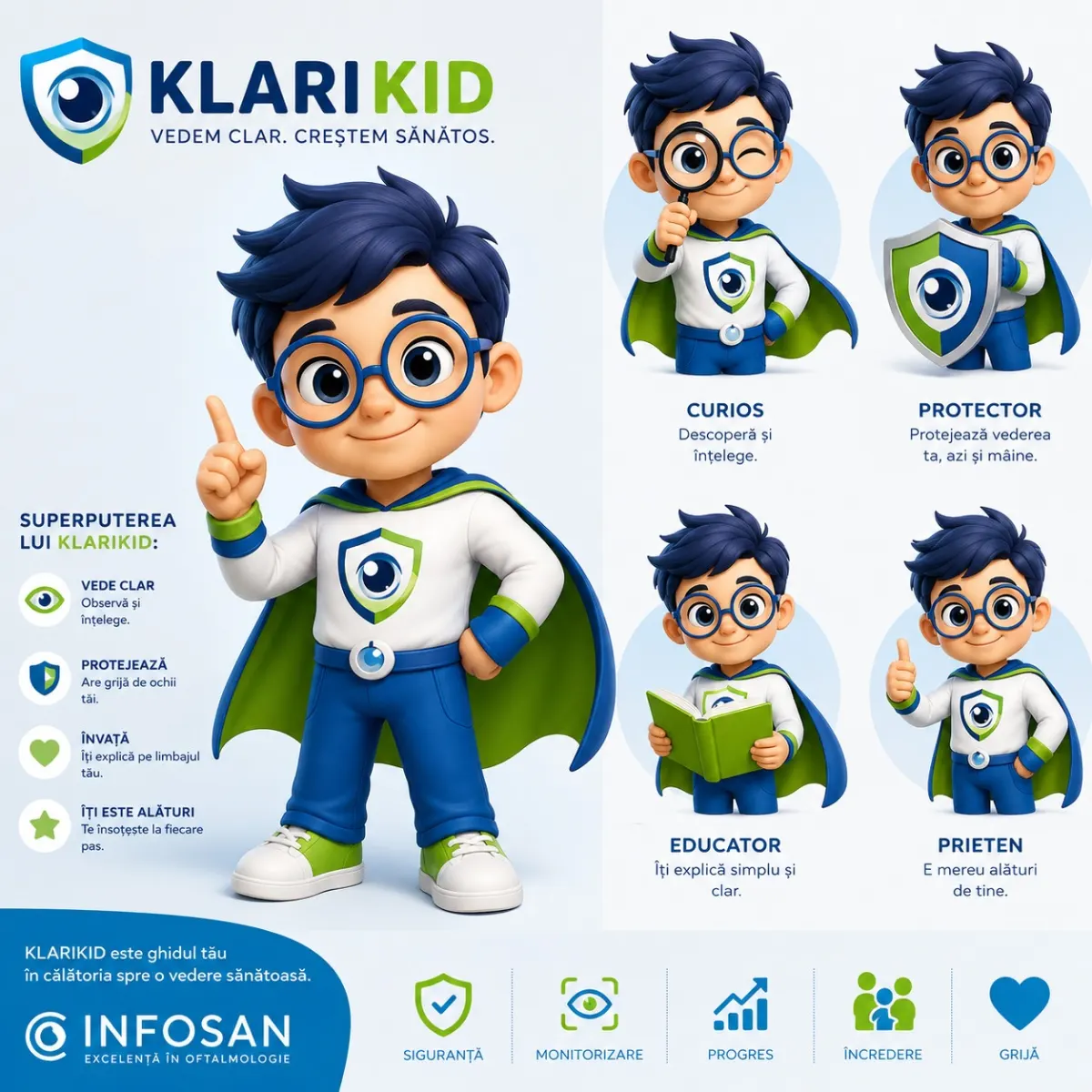
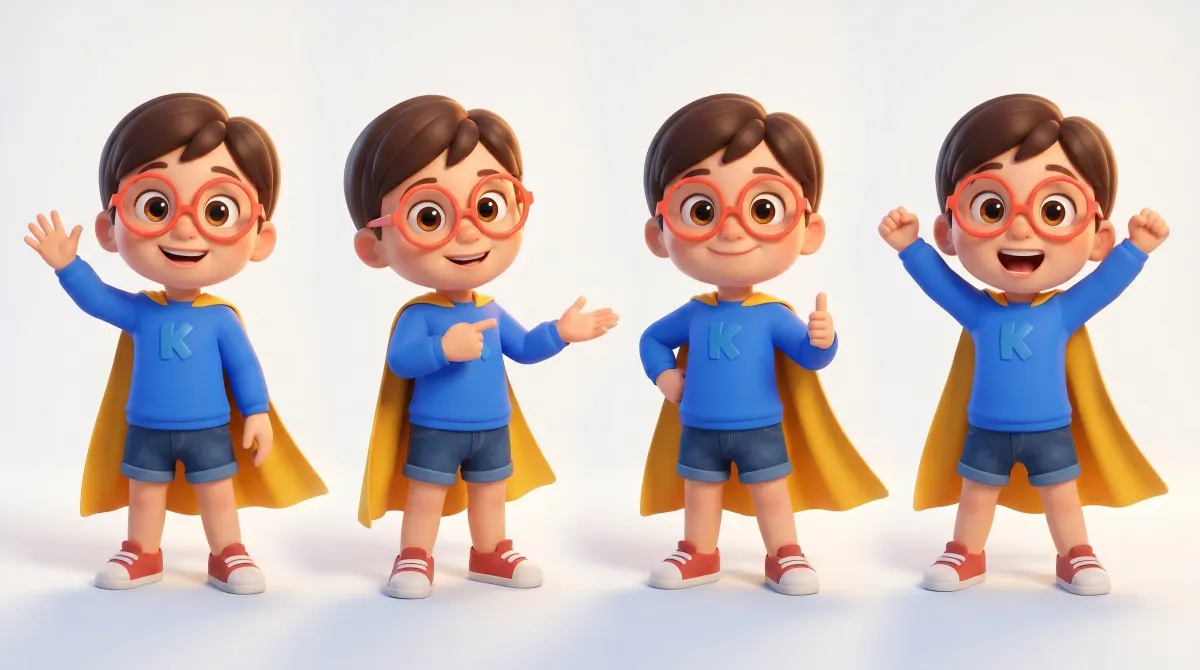
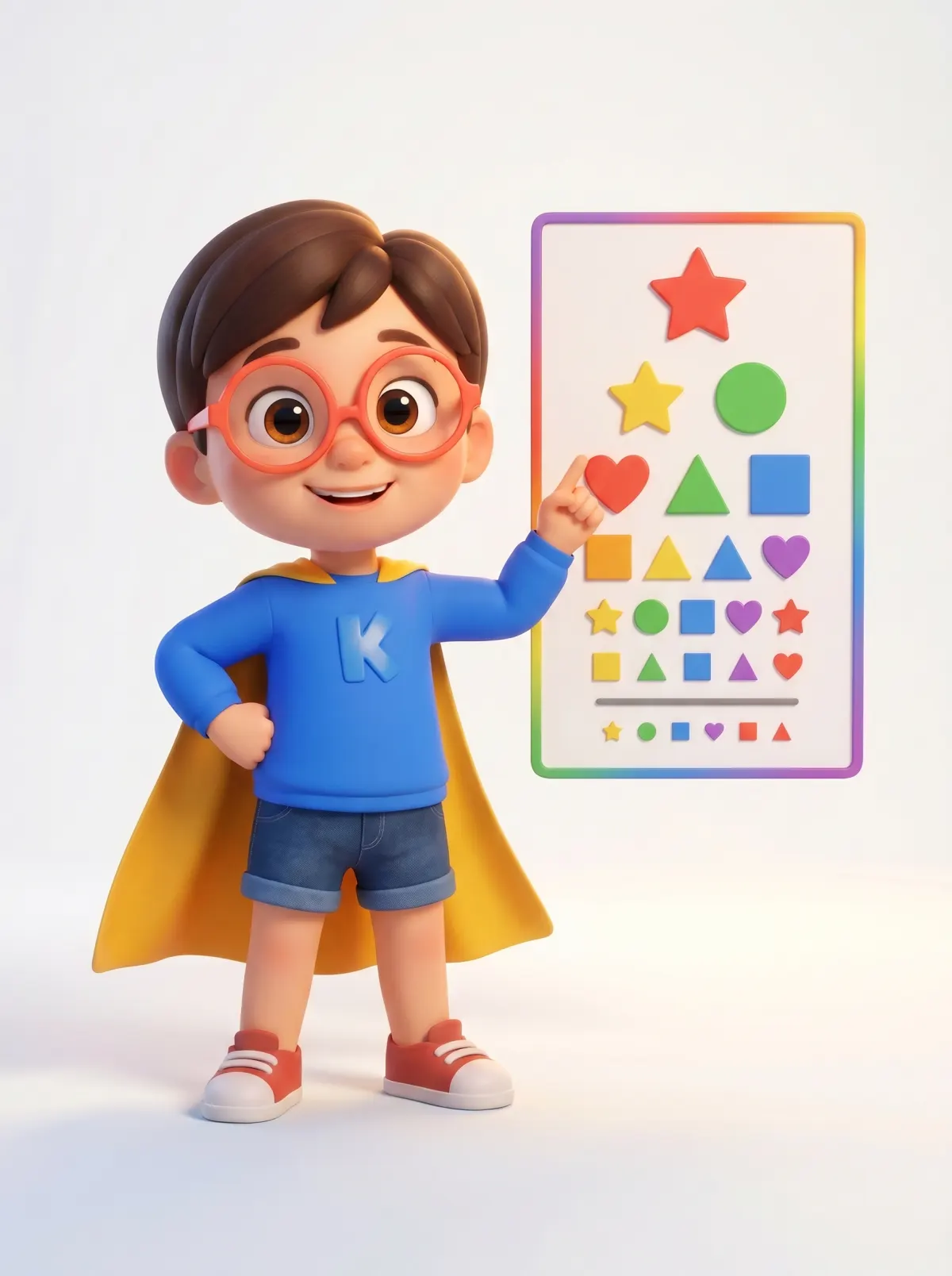

KlariKid becomes the platform through which Infosan builds partnerships with the organizations that concentrate exactly the relevant audience. The message is education and prevention, not direct selling.
The point of highest trust on the parent's path. KlariKid doesn't compete with the pediatrician, it complements them: co-branded materials, a recommendation for vision screening, presence in the waiting room.
The format is educational, a screening program or a workshop for parents, led by an Infosan doctor. The mascot makes the presence memorable for the child, and so for the parent too.
HR becomes the point of contact. KlariKid enters as a family benefit: screening for employees' children, an internal announcement. Visibility for the company in return.
The groups where decisions about a child's health are made through word of mouth. KlariKid builds presence through useful content, without paid posts.
The change doesn't happen all at once. The activation ads keep running, for immediate appointments. In parallel, KlariKid builds brand memory and the partnerships.
The architecture has been accepted in principle by the client. The process is in implementation.
Rebranding attacks the identity of an organization that already works. Brand architecture leaves intact what works and organizes what doesn't accumulate. Infosan needed its medical authority organized into a memorable pediatric category, and KlariKid does exactly that.
The story repeats beyond ophthalmology. Brands that work as systems no longer buy the same attention every time. They have already built it.
A short diagnostic: we show you where you're losing brand memory and where it starts.
Request a diagnostic